NothingThe Nothing Phone (3) is a flagship Android smartphone featuring a unique Glyph Matrix interface, powerful Snapdragon 8s Gen 4 chipset, a versatile triple 50MP camera system, and a vibrant 120Hz AMOLED display.

NothingThe Nothing Phone (3) is a flagship Android smartphone featuring a unique Glyph Matrix interface, powerful Snapdragon 8s Gen 4 chipset, a versatile triple 50MP camera system, and a vibrant 120Hz AMOLED display.
The price of the Nothing Phone (3) in CNY starts from 5,673 ¥.
The price of the Nothing Phone (3) in US Dollar starts from 799 $.
The price of the Nothing Phone (3) in Euro starts from 701 €.
The price of the Nothing Phone (3) in British Pound starts from 599 £.
The price of the Nothing Phone (3) in Saudi Riyal starts from 2,996 ر.س.
The price of the Nothing Phone (3) in Egyptian Pound starts from 40,998 EG.
The price of the Nothing Phone (3) in Indian Rupee starts from 77,127 ₹.
The price of the Nothing Phone (3) in Japanese Yen starts from 130,828 ¥.
The price of the Nothing Phone (3) in CNY starts from 5,673 ¥.
The price of the Nothing Phone (3) in US Dollar starts from 799 $.
The price of the Nothing Phone (3) in Euro starts from 701 €.
The price of the Nothing Phone (3) in British Pound starts from 599 £.
The price of the Nothing Phone (3) in Saudi Riyal starts from 2,996 ر.س.
The price of the Nothing Phone (3) in Egyptian Pound starts from 40,998 EG.
The price of the Nothing Phone (3) in Indian Rupee starts from 77,127 ₹.
The price of the Nothing Phone (3) in Japanese Yen starts from 130,828 ¥.
Nothing launched the Nothing Phone (3) in 2025, bringing its own take on design, performance, and everyday usability to this segment.

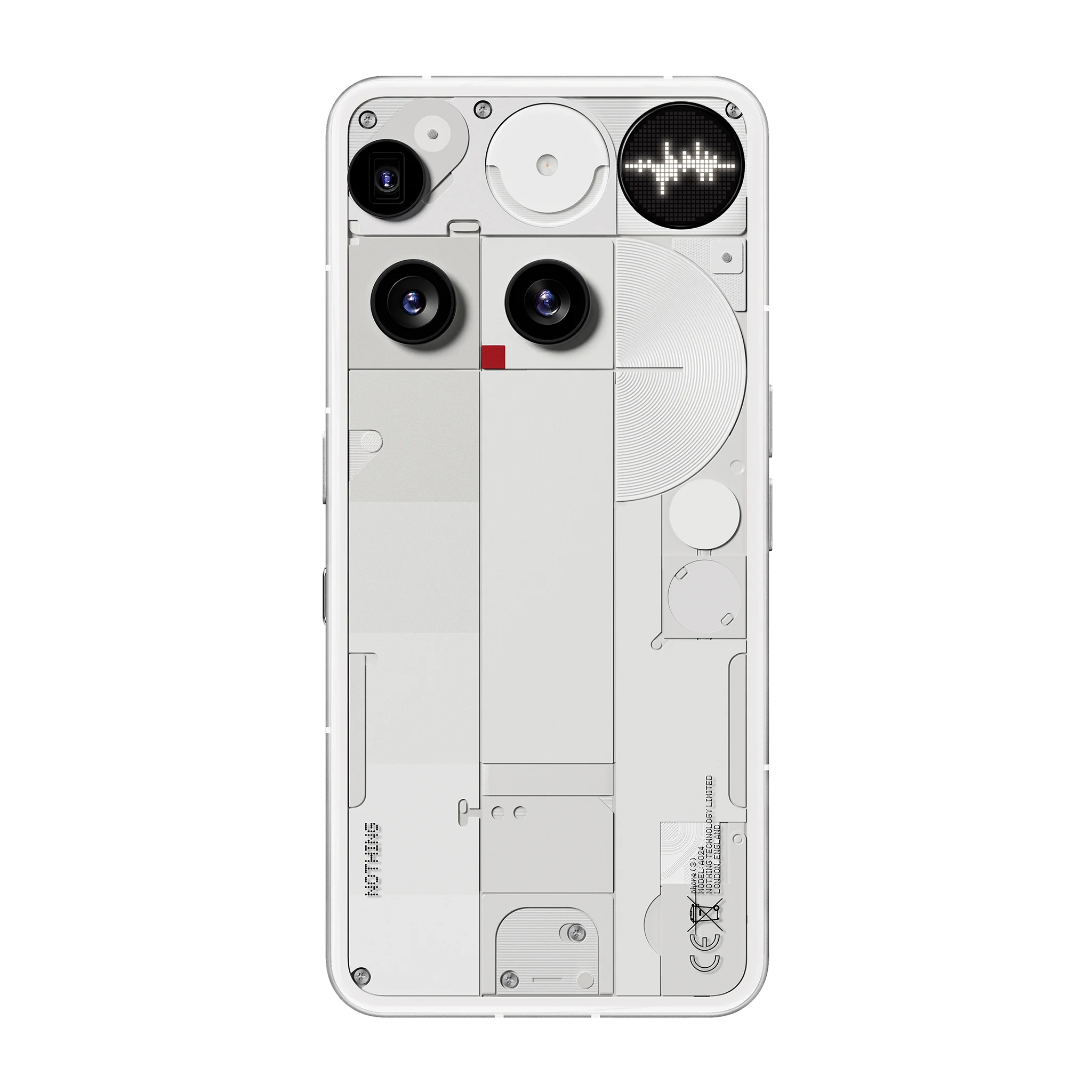
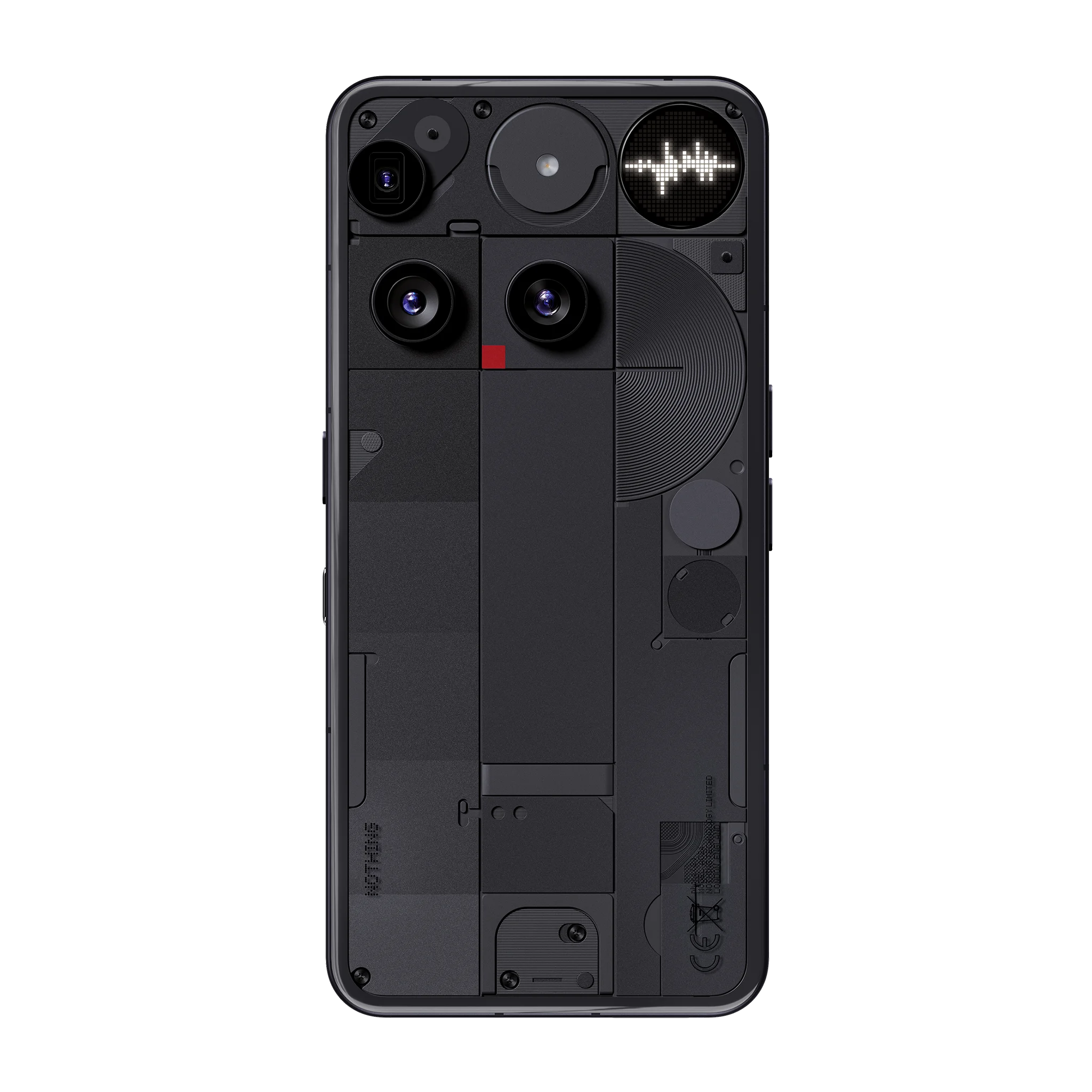
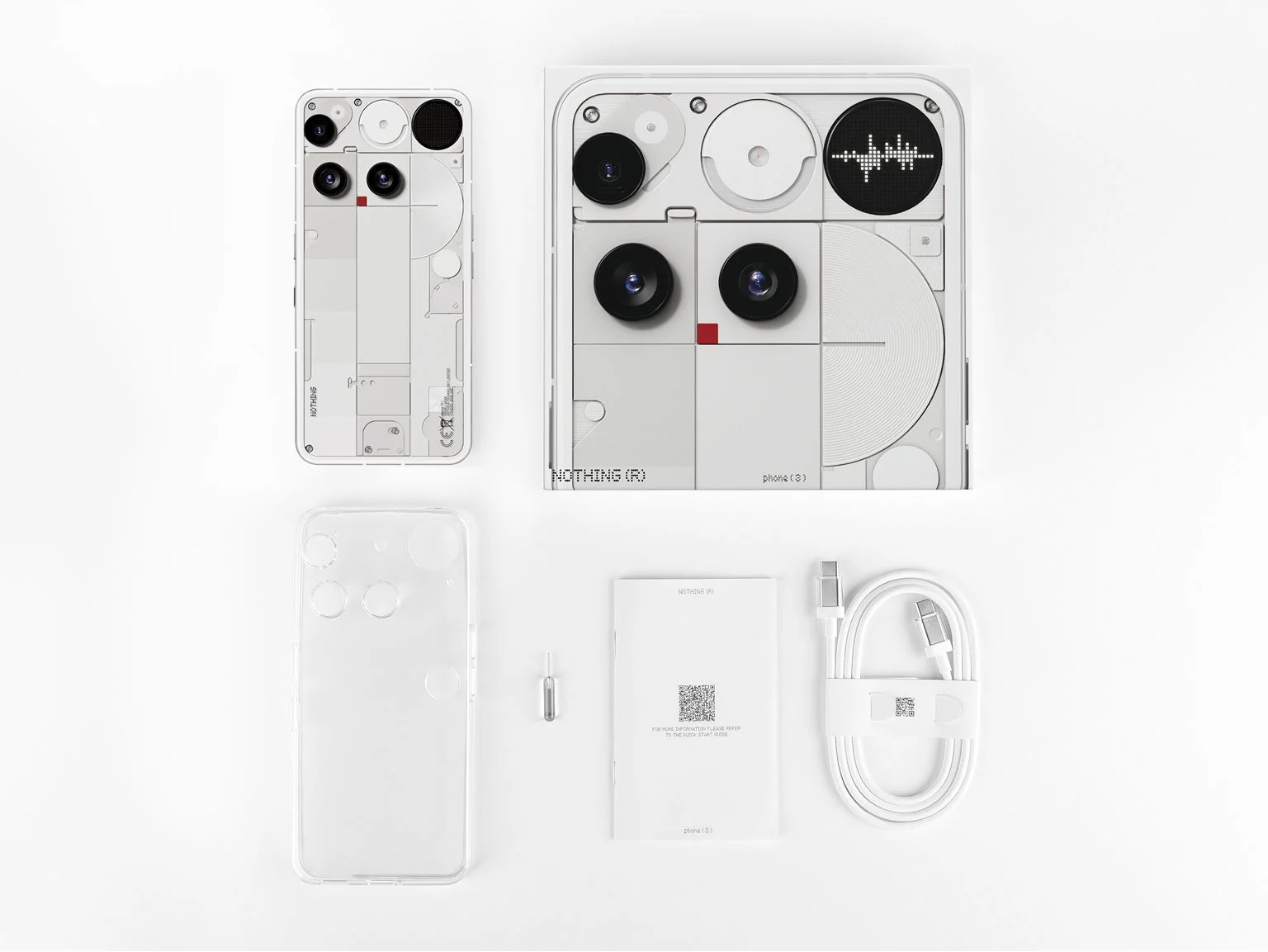
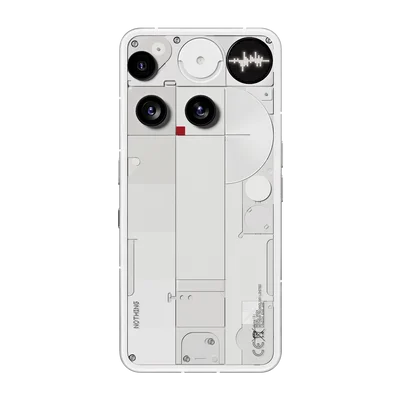
The Nothing Phone (3) continues the brand's commitment to distinctive aesthetics, though with some notable evolutions. It features a solid aluminum frame with soft edges and a matte finish, offering a comfortable in-hand feel. The signature transparent back is still present, but the iconic Glyph Interface has been re-imagined into a 'Glyph Matrix' concept, which some users find adds clutter rather than purpose, featuring a small pixel-based circular window for functions like time or a stopwatch. Available in classic White and Black, the phone maintains a unique visual identity that aims to spark conversation, departing from the more uniform designs of many competitors.

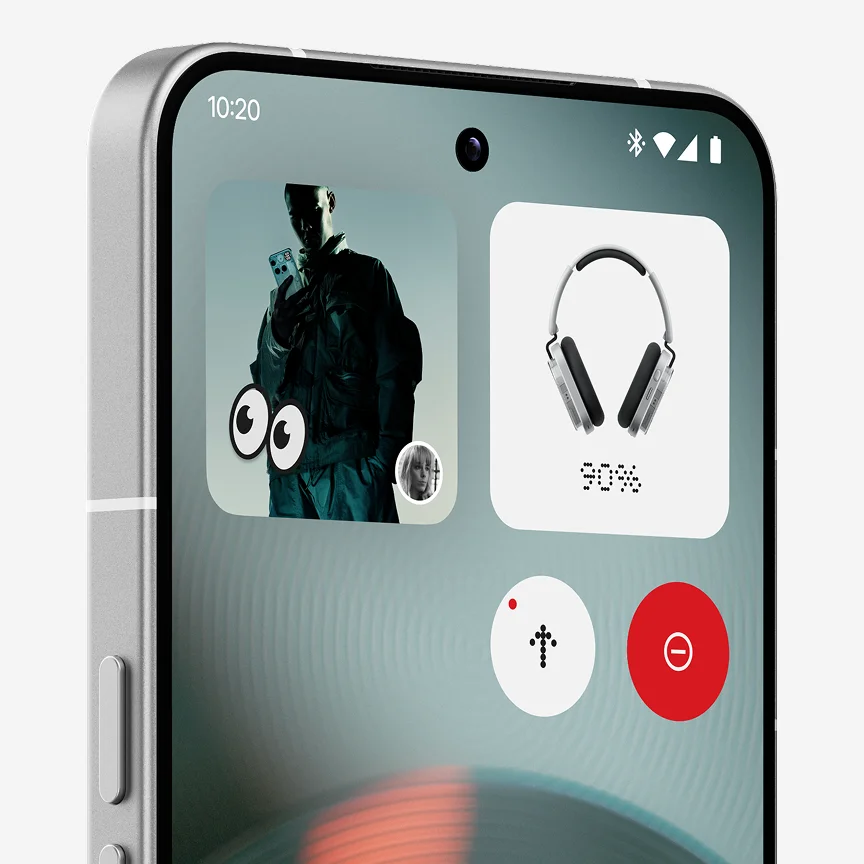
The Nothing Phone (3) sports a 6.67-inch flexible AMOLED LTPS display, offering a sharp 1260 x 2800 pixel resolution with a 20:9 aspect ratio and approximately 460 ppi density. It boasts a smooth 120Hz adaptive refresh rate, 1 billion colors, HDR10+ support, and an impressive peak brightness of 4500 nits for HDR content, with 1600 nits HBM for outdoor visibility. The screen is protected by Corning Gorilla Glass 7i and features 2160Hz PWM dimming, ensuring a comfortable viewing experience even in low light. While some users have noted that the auto-brightness can be slow to adjust and that it doesn't always feel as bright as the peak nits suggest in daily use, it remains a perfectly acceptable and vibrant panel for most tasks.

Under the hood, the Nothing Phone (3) is powered by the Qualcomm Snapdragon 8s Gen 4 mobile platform, a powerful and efficient processor built on a 4nm process. This octa-core chipset, with a prime core clocking up to 3.21 GHz, offers a significant performance boost compared to its predecessor, with Nothing claiming 36% faster CPU processing and 125% faster AI engine processing than the Phone (2). While not Qualcomm's absolute top-tier flagship chip, the Snapdragon 8s Gen 4 delivers a fast, snappy, and responsive user experience for day-to-day tasks, gaming, and even video editing, supported by up to 16GB of LPDDR5X RAM and UFS 4.0 ROM.

The Nothing Phone (3) boasts a versatile quad-camera setup, featuring three 50MP sensors on the rear and a 50MP front-facing camera. The main 50MP camera utilizes an OmniVision OV50H sensor with an f/1.7 aperture, delivering solid 12.5MP binned photos with natural colors and good detail, though some reviews note a slight softness. It includes a 50MP ultrawide lens (Samsung ISOCELL JN1) and, notably, a 50MP periscope telephoto lens (Samsung ISOCELL JN5) offering 3x optical zoom and up to 60x digital zoom, a significant upgrade from previous models. All rear cameras are capable of 4K 60 FPS video recording, with the front camera also supporting 4K 60 FPS and autofocus.

The Nothing Phone (3) is equipped with a substantial 5,150 mAh silicon-carbon battery, which is a notable upgrade in capacity and offers excellent longevity, often leaving users with 30-45% charge after a full day of moderate use. This larger capacity, combined with the efficient Snapdragon 8s Gen 4 chipset, effectively addresses battery anxiety. For rapid power-ups, it supports 65W wired fast charging, capable of reaching 50% charge in under 20 minutes, a significant advantage over some competitors. Additionally, the device is compatible with 15W wireless charging, providing convenient charging options, although it lacks Qi2 or MagSafe magnets.
Nothing launched the Nothing Phone (3) in 2025, bringing its own take on design, performance, and everyday usability to this segment.

The Nothing Phone (3) continues the brand's commitment to distinctive aesthetics, though with some notable evolutions. It features a solid aluminum frame with soft edges and a matte finish, offering a comfortable in-hand feel. The signature transparent back is still present, but the iconic Glyph Interface has been re-imagined into a 'Glyph Matrix' concept, which some users find adds clutter rather than purpose, featuring a small pixel-based circular window for functions like time or a stopwatch. Available in classic White and Black, the phone maintains a unique visual identity that aims to spark conversation, departing from the more uniform designs of many competitors.

The Nothing Phone (3) sports a 6.67-inch flexible AMOLED LTPS display, offering a sharp 1260 x 2800 pixel resolution with a 20:9 aspect ratio and approximately 460 ppi density. It boasts a smooth 120Hz adaptive refresh rate, 1 billion colors, HDR10+ support, and an impressive peak brightness of 4500 nits for HDR content, with 1600 nits HBM for outdoor visibility. The screen is protected by Corning Gorilla Glass 7i and features 2160Hz PWM dimming, ensuring a comfortable viewing experience even in low light. While some users have noted that the auto-brightness can be slow to adjust and that it doesn't always feel as bright as the peak nits suggest in daily use, it remains a perfectly acceptable and vibrant panel for most tasks.

Under the hood, the Nothing Phone (3) is powered by the Qualcomm Snapdragon 8s Gen 4 mobile platform, a powerful and efficient processor built on a 4nm process. This octa-core chipset, with a prime core clocking up to 3.21 GHz, offers a significant performance boost compared to its predecessor, with Nothing claiming 36% faster CPU processing and 125% faster AI engine processing than the Phone (2). While not Qualcomm's absolute top-tier flagship chip, the Snapdragon 8s Gen 4 delivers a fast, snappy, and responsive user experience for day-to-day tasks, gaming, and even video editing, supported by up to 16GB of LPDDR5X RAM and UFS 4.0 ROM.

The Nothing Phone (3) boasts a versatile quad-camera setup, featuring three 50MP sensors on the rear and a 50MP front-facing camera. The main 50MP camera utilizes an OmniVision OV50H sensor with an f/1.7 aperture, delivering solid 12.5MP binned photos with natural colors and good detail, though some reviews note a slight softness. It includes a 50MP ultrawide lens (Samsung ISOCELL JN1) and, notably, a 50MP periscope telephoto lens (Samsung ISOCELL JN5) offering 3x optical zoom and up to 60x digital zoom, a significant upgrade from previous models. All rear cameras are capable of 4K 60 FPS video recording, with the front camera also supporting 4K 60 FPS and autofocus.

The Nothing Phone (3) is equipped with a substantial 5,150 mAh silicon-carbon battery, which is a notable upgrade in capacity and offers excellent longevity, often leaving users with 30-45% charge after a full day of moderate use. This larger capacity, combined with the efficient Snapdragon 8s Gen 4 chipset, effectively addresses battery anxiety. For rapid power-ups, it supports 65W wired fast charging, capable of reaching 50% charge in under 20 minutes, a significant advantage over some competitors. Additionally, the device is compatible with 15W wireless charging, providing convenient charging options, although it lacks Qi2 or MagSafe magnets.